

The Old Wisdom of Herbs
The countless ways in which herbs enrich everyday life

My dearest reader,
There’s something truly remarkable about herbs - and I’m not talking just about cooking with culinary herbs.
Last week was National Herb Day, and it got me thinking about the breadth and value of herbs in a life well lived. While I’m not an herbalist or certified in any way, I am truly in awe of herbs and have spent quite some time and space in my gardens exploring and learning.
I find it so thrilling to remember all that herbs (and plants in general) have contributed to our modern way of life. Long before herbs became just a trifle in your garden patch to spruce up your salad or soup, they lived comfortably as an essential element of life.
It feels as though we’ve forgotten the most elemental beauty of herbs, and also their usefulness in everyday life itself, which was once more intentional, sensory, and connected to place and the cycles of the earth.
Herbs were integral in culinary traditions of course, but also in health and wellness, rituals, self-care, art, fragrance.
Herbs were woven into everyday life.
We lost that somewhere along the way.
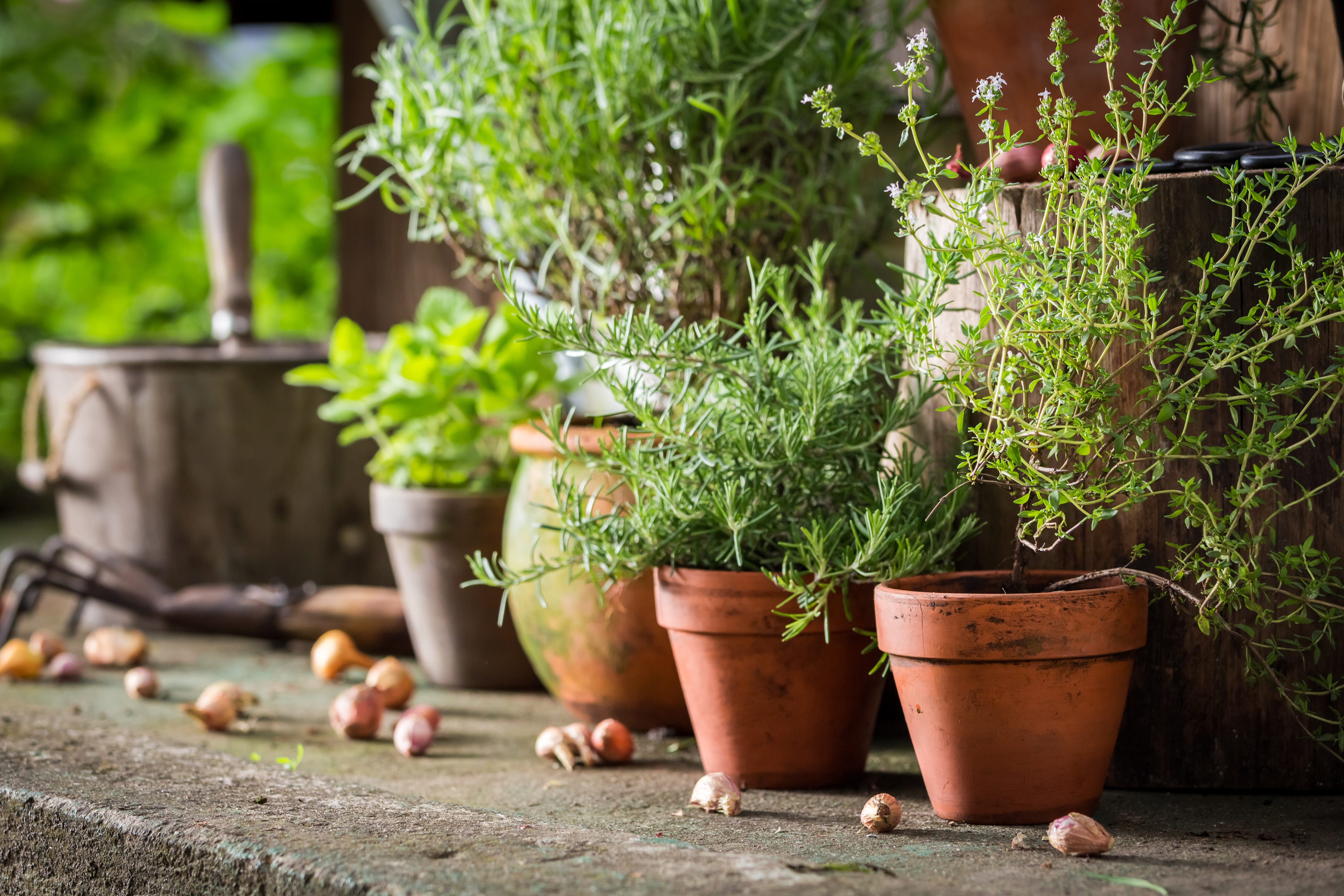

Over time, that old wisdom has began reshaping my own garden as well.
When I first began setting up my current kitchen garden, I had set aside one large raised bed for culinary herbs along with a couple of tomato plants, tomatillos, and such.
The other beds were dedicated to herbs of all kinds. I have 6 very large raised beds. I think at one point I was growing and getting to know something like 78 different herbs. I get a lot raised eyebrows when I mention that. It’s apparent that most people don’t realize there are that many herbs to begin with.
Perhaps an obvious question to explore is - what actually is an herb?
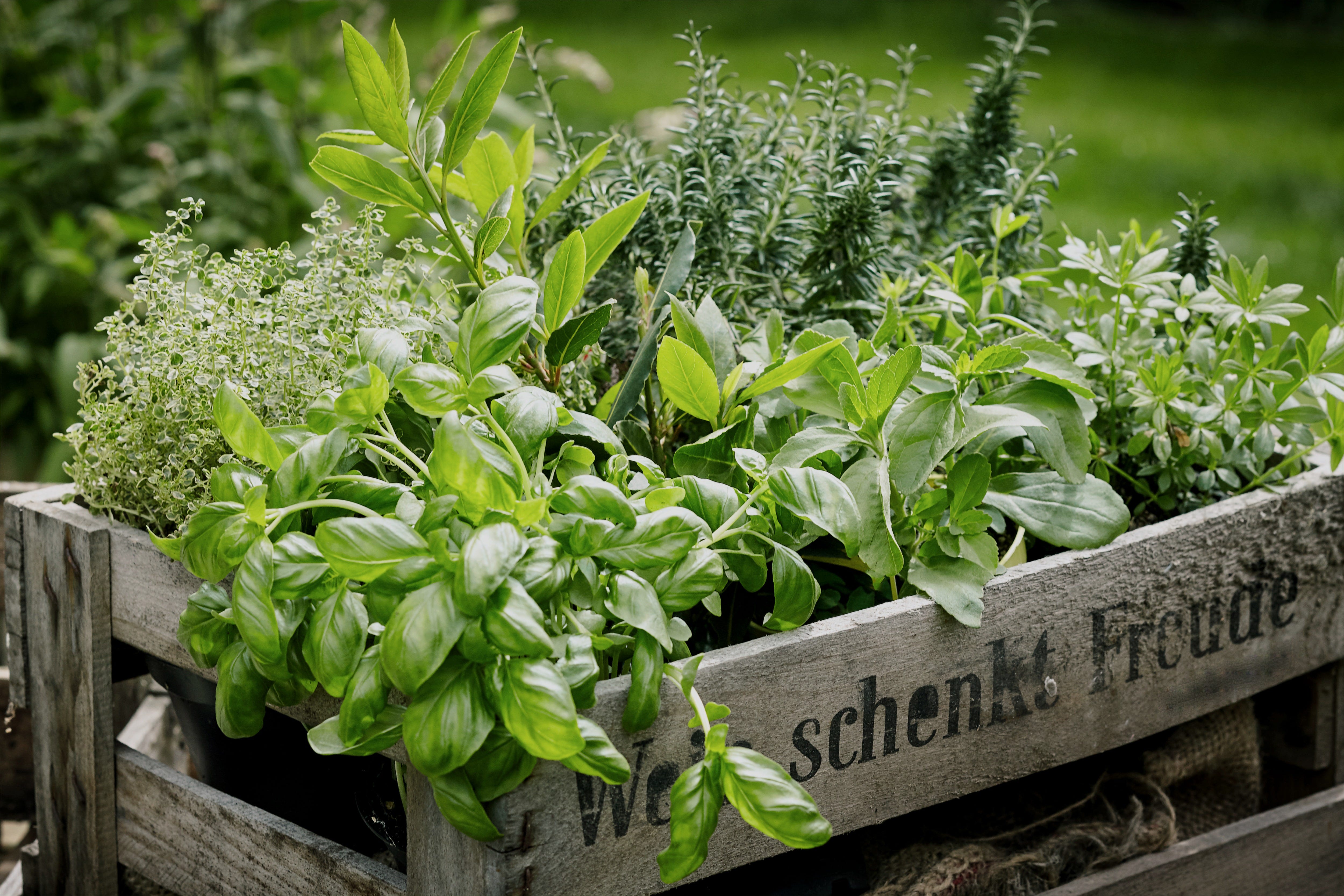
Most of us hear the word herb and immediately think of basil, parsley, or dill.
But herbs are far more expansive than that.
Historically, the word referred less to a specific culinary category and more to useful plants - plants valued for flavor, fragrance, medicine, ritual, dye, tea, beauty, or daily household life.
Herbs occupy one of the oldest and broadest plant traditions in human history. Some nourish us. Some heal. Some perfume the air or calm the nervous system. Some flavor food, attract pollinators, or simply make a garden feel alive. Many do all of those things at once.

Herbs are among the few plants that appeal to nearly every sense at once: their visual beauty, their scent and taste, the buzz of the pollinators, and the structure and texture of the leaves and blooms.
Just a few examples of some of the herbs I grow - to tempt your senses and imagination:
Lavender - soft silver foliage, calming fragrance, violet blooms humming with bees, tea for restfulness, bundles for linen cupboards, and one of the most sensory-rich plants a garden can offer.
Chamomile - tiny sun-like flowers with an apple-like scent, soothing evening tea, pollinator favorite, and a gentle reminder that usefulness can also be delicate and beautiful.
Yarrow - feathery foliage, broad flower clusters in muted earthy tones, long medicinal history, drought tolerance, and a sweet wild meadow quality.

Bee Balm - vibrant shaggy blooms alive with hummingbirds and bees, aromatic foliage, herbal tea uses, and a joyful burst of midsummer energy.
Fennel - airy fern-like texture that catches evening light beautifully, sweet anise fragrance, culinary use from fronds to seed, and host plant for swallowtail butterflies.
Hyssop (also known as Agastache) - intensely aromatic foliage, upright spires of blooms beloved by pollinators, centuries of ritual and medicinal association, and a lovely old-world garden presence.
Lemon Balm - bright citrus fragrance released at the slightest touch, calming teas, fresh green texture, and one of those plants that almost invites you to slow down and breathe deeply. (I’m sipping some warm lemon balm tea right now.)
Anise Hyssop - soft licorice-mint scent, lavender flower spikes buzzing with pollinators, tea and herbal uses, and a graceful prairie-garden feel.
Sage - velvety leaves in soft gray-green tones and even purple, earthy fragrance, deeply savory culinary uses, drought resilience, and timeless beauty in both herb and ornamental gardens.
Rosemary - evergreen structure, resinous fragrance released by warm sun, blue flowers for pollinators, culinary versatility, and centuries-old symbolism tied to memory and remembrance.

As my knowledge and understanding of herbs has grown and expanded, so too has the way I use them in my landscape.
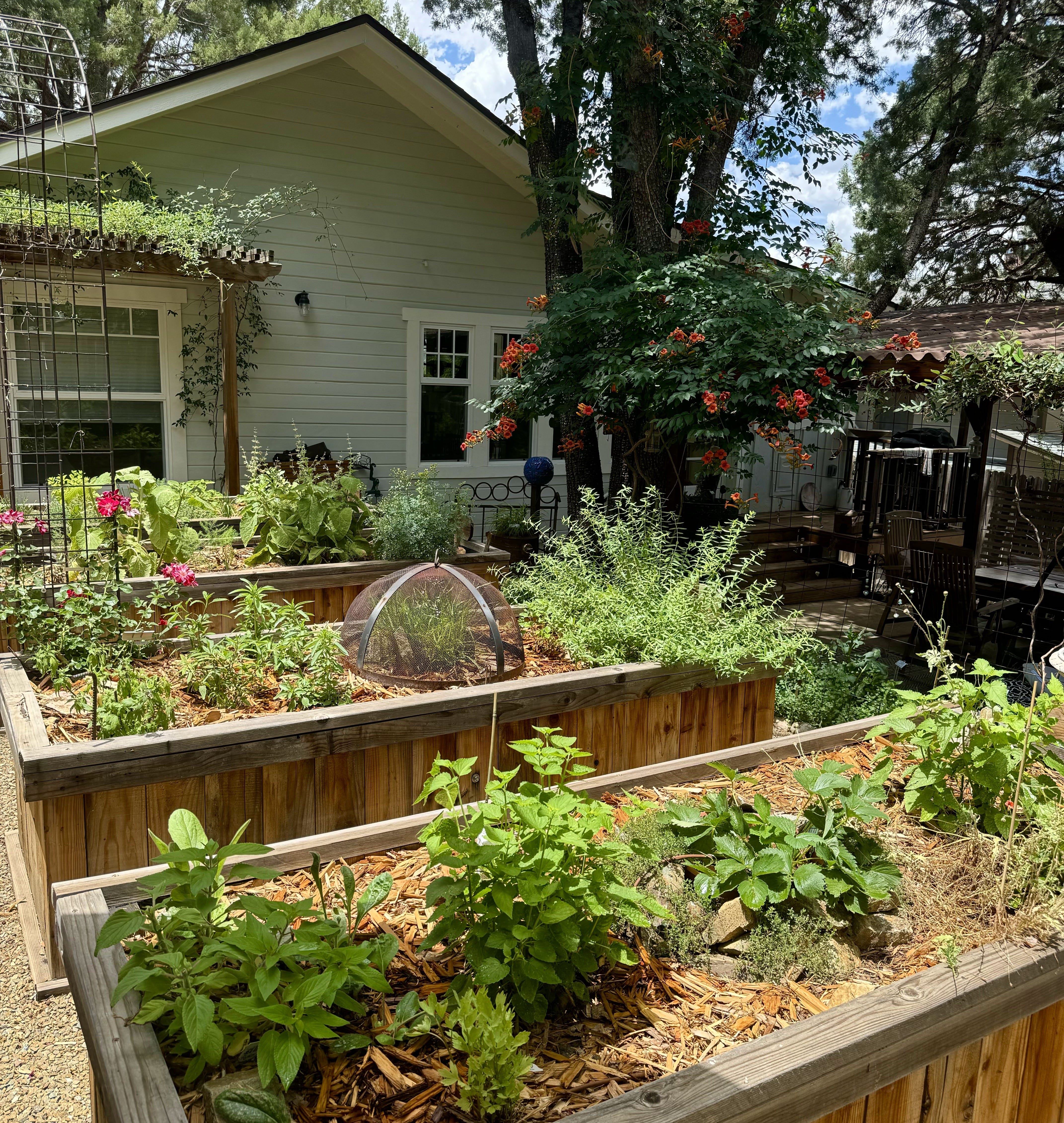
I mentioned my deep dive growing 78 herbs in the kitchen garden a few years ago.
Now, it’s safe to say that every single bed, pot, and planting space on my property is fully integrated with plants for beauty and structure, and blooms for cutting - many of which are actually herbs. Amazingly, almost all of them are perennial as well.
I no longer restrict the herbs to a “kitchen garden“ beds, but incorporate them everywhere in the landscape with abandon.
And, honestly, I’ve also come to know that so many of the plants that I grew just for the landscape value, are actually old world herbs.
It’s come full circle.

Small rituals
There are so many simple ways herbs can enhance our daily lives and well-being, aside from the health benefits that require the aid of an herbalist.
Here are just a few small rituals that make life just a bit sweeter:
Like sunshine and crushed lemon leaves - delicate, bright, and sweet
Lemon balm (Melissa) bruises easily and releases its scent immediately, is best gathered in early morning or late afternoon, and fresh leaves taste softer and brighter than dried leaves.
How-to:
Clip a small handful of fresh lemon balm
Lightly crush or bruise the leaves between your fingers
Pour hot water over them into a small teapot or large mug
Steep 5–10 minutes
Enjoy
Here’s quick little how-to video for you:
This is less a recipe than a simple method - you can use countless other herbs for this reset.
Somewhere between evergreen forest, warm earth, and sea air
Warm steam releases the aromatic oils, and the bouquet brings nature indoors.
How-to:
Gather several rosemary stems (or rosemary + eucalyptus)
Tie loosely with twine
Hang from the showerhead where it catches steam and just a tiny bit of water
Refresh weekly
Breathe
This turns an ordinary shower into something sensory and intentional.
Like warm summer air drifting through linen curtains - nostalgic, floral, and soothing
Fresh lavender stems can just be cut off the plant, trimmed to a short posy bouquet, leaves and all, and tied with ribbon. I like to place it right next to my pillow.
How-to for a sachet:
Dry lavender bundles upside down
Strip blossoms once dry by gently rubbing the stems
Place in a small linen pouch or shallow ceramic bowl
Gently refresh by rubbing between fingers
Lavender will soothe your mind and lift your spirit.

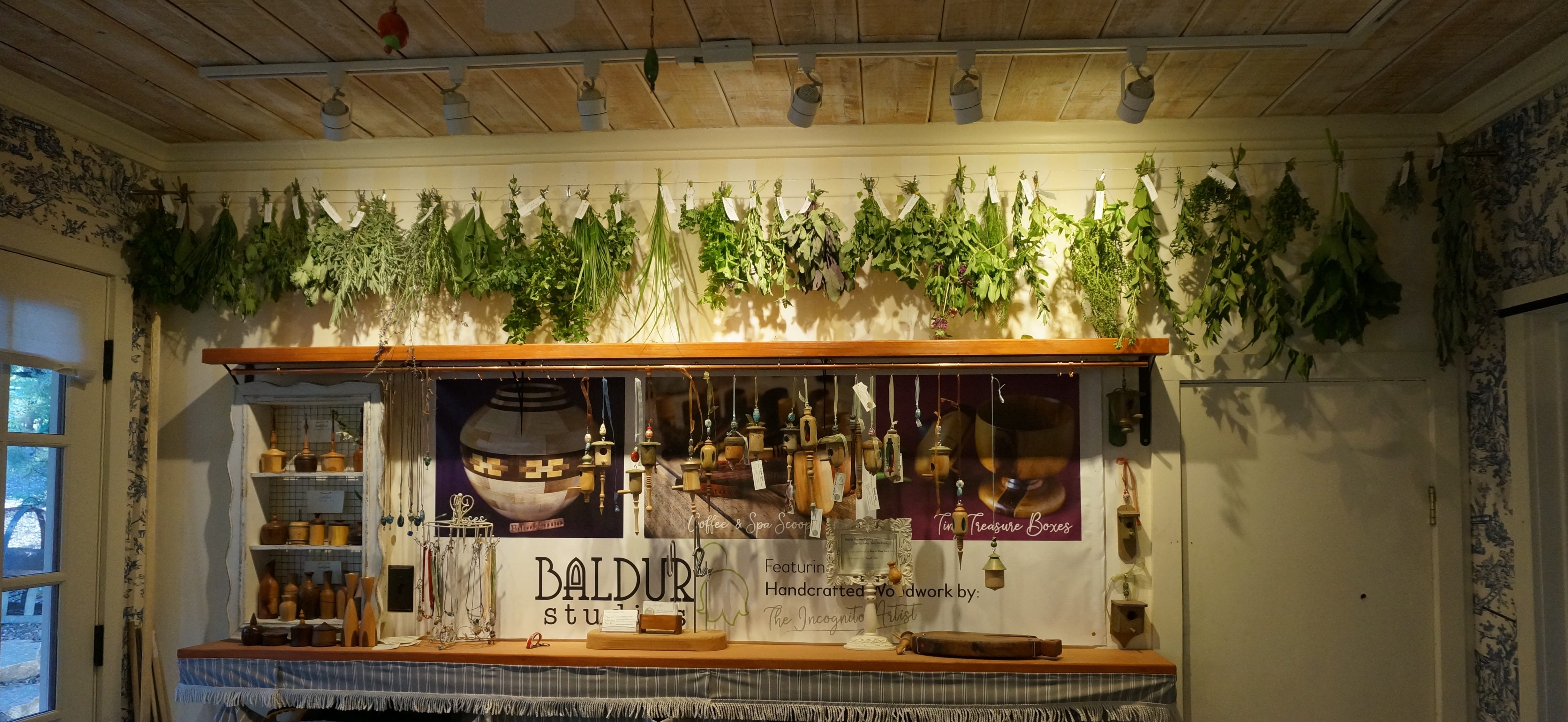
Herbs remind us that a beautiful life is often built from very small things repeated with care. Perhaps that’s part of their enduring wisdom.
Small things, really. And yet somehow, these tiny rituals have a way of making a home feel more alive.
The elemental beauty of herbs is a gift worth relishing.
With contentment & possibility,

P.S. Thank you for being here with me. I’d truly love to know - is there an herb tied to memory, family, or ritual in your own life? Rosemary, mint, lavender, dill… these plants seem to carry stories with them. Oh, and if you have herbs growing nearby, pause for a moment sometime this weekend and simply brush your fingers across the leaves before you walk by. The fragrance released in warm spring air feels like a bit of magic.
Thank you for the article Miriam. It reminded me that my mother would make little velvet sachets and fill them with lavender. She would then place the sachets in my lingerie drawer. Opening the drawer i would smile as I breathed in the lush fragrance and be grateful for this little ritual.
I used to make lavender wands to put in drawers and closets. Made everything smell wonderful!