


This letter is part of Design Dispatches, design-forward essays exploring how spaces (both indoors and out) are shaped, why design choices matter, and how the built environment influences the way we live. You can easily adjust your email preferences anytime to skip this section and still receive all the other stories, reflections, and design inspiration from The Whiskey Porch.
Hello my lovely readers.
Welcome to the porch. I’m so happy to have you here.
Most of us don’t question the size of our homes until something starts to feel off.
It might be the rooms we never use (or that are just full of stuff; storage). The spaces that look impressive but feel oddly hollow. Or the realization that the way we live no longer fits the way our homes were designed.
Through my design work and lived experience, I’ve been thinking a lot about how much space we need to live well - and how often the current approach doesn’t match the way life actually unfolds.
For years, the choices have been framed as extremes: bigger and better, or radically small.
But neither seems to answer the right question.


For many decades, we believed that bigger was better when it came to our homes. More space. More rooms. More proof that we’d done things right. Success, translated into square footage.
Then the conversation shifted - almost abruptly - toward the opposite extreme.
Smaller was better. But only if it was very small. Tiny homes. Radical minimalism. A life pared down to its sharpest edges. Often romanticized. Almost always unrealistic.
I understood the appeal. I still do. Both ends of that spectrum promise relief - clarity, even. They suggest that if we just choose the right version of living, everything else might fall into place.
But as I’ve spent more time designing homes and landscapes - and simply paying attention to how people actually live - I’ve started to wonder if those extremes are asking the wrong thing of us.
What if the real question isn’t how much we can strip away, or how much we can accumulate - but how our spaces support the lives unfolding inside them?
How scale, proportion, and intention shape not just houses, but the way we move through our days.
Not aspirational lives. Real ones.
Lives shaped by daily rituals, changing seasons, work and rest, solitude and hospitality.
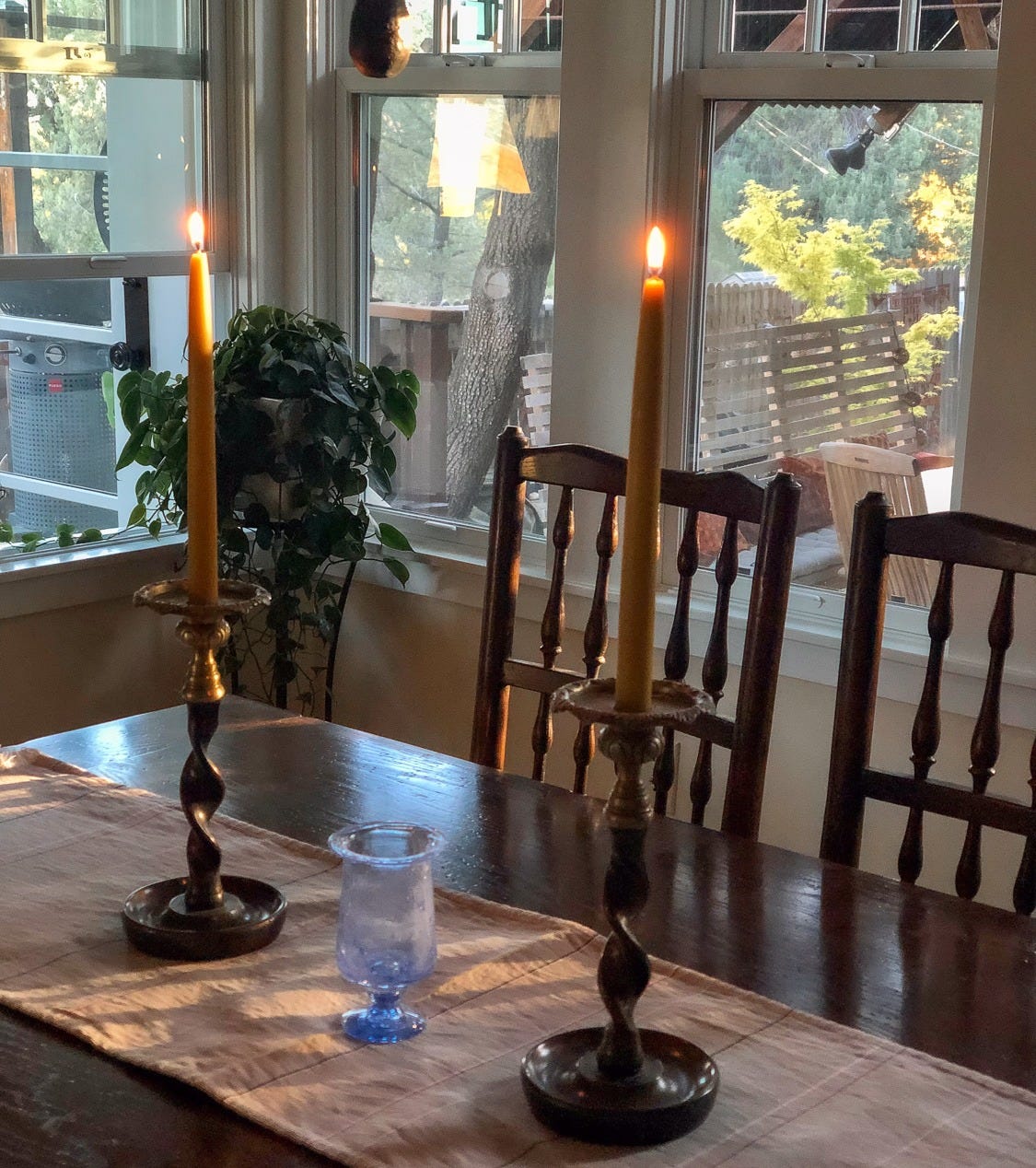
Spaces that support how we move through a house, how light affects a room, how a kitchen connects to a garden, how easily we can welcome others without maintaining vast spaces that sit empty most of the year.
Have you noticed how much space is designed for someday, rather than for everyday life?
If you've got a "someday" room - the good china, the guest suite nobody's slept in this year, the office you'll "really set up eventually" - you already know what I'm talking about. Most of us are living around spaces we're not actually living in.

What I’m really thinking about here is a shift away from extremes - away from living bigger than we need, or smaller than is truly livable - and toward homes that are intentionally sized for the way life actually unfolds.
I haven’t noticed many people actually making this shift - at least not yet.
What I see more often is a kind of tentative wondering. The idea of living smaller, simpler, more intentionally shows up as a daydream. Something imagined for “later,” or for a different season of life.
Most of us don’t make these changes until circumstances force our hand. Age. Loss. Limitation.
For me, I didn’t want that shift to come only through necessity. I wanted to choose it deliberately - to see what changed when scale, space, and daily life were considered with intention rather than urgency.
That choice reshaped not just where I live, but how I think about homes, gardens, and the ways design intimately supports a life over time.
I don’t think this is about retreating or opting out. It’s about making thoughtful choices.
I think it starts with a deeper, more honest evaluation.
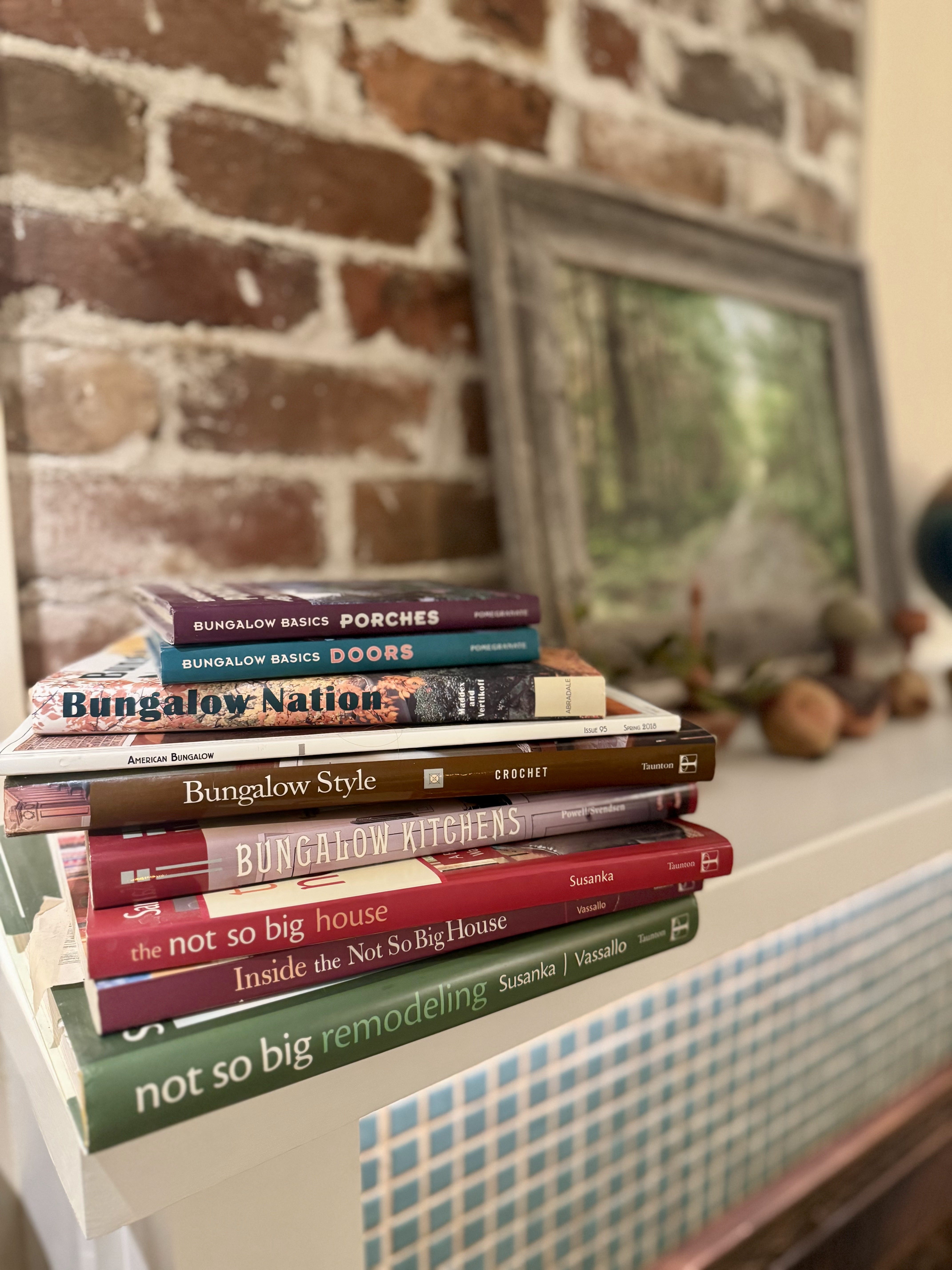
What would shift if we stopped asking whether our homes are impressive enough - or minimal enough - and instead asked whether they are supportive? Supportive of how we actually live now. Supportive of comfort, beauty, and change. Supportive of both quiet days and shared ones.
This isn’t a call for dramatic leaps or rigid rules. It’s an invitation to step off the pendulum just long enough to notice what feels out of alignment, and what might feel more livable.

Next in this 4-part series: a deeper look at the idea of small, not tiny. Why right-sized homes can offer a more inspired alternative to extremes.

🌼A note before you go.
This series is part of something bigger I’m building - structured design thinking for real homes, not just occasional essays. It’s still taking shape, and if “small, not tiny” resonates with you, you’ll hear about what’s next, here first.
In the meantime, paid subscribers already have access to The Gift Library — a growing shelf of seasonal guides, design resources, and recipes gathered along the way. Worth a look, even if you’ve never grown a tomato.
With contentment & possibility,

P.S. Let’s keep the conversation going - I’d love to hear your thoughts:
Where do you feel the tension between how you live and how your spaces support you?
And what might change if “smaller, simpler, more beautiful” became less of an ideal - and more of a practical guide?
Hi Miriam- What a lovely notion about housing. How might that actually support all of us- the idea that the dwelling is intentionally designed around the ways it will be used. My parents did this with what they have called their final home. Designed and built over twenty five years ago it is a gorgeous testament to two people living simply, held by the beauty of Mother Nature. Shallow stairs, extra large doorways, open airy rooms that fill with light all hours of the day and an incredible outdoors deck that offers an expanded view of all that’s around them. Each room is inviting in color, space, and furnishing and calls for gathering together. At 80 & 90 they question if they should move to someplace smaller but always come back to the intention with which they built the home. A Goldilocks house for sure. Thanks for sharing this. ❤️
Miriam, I'm in a good size 2 bedroom/2 bath condo but would really like to have a bigger, open kitchen to to dining/living room and a bigger living room plus a den or loft. I'm looking to hopefully be detached in a house or at minimum a corner townhome in the future so I can have a private garage for my vehicle as well.
I don't need a lot of space, but I'd like it to be more "supportive" as you said.
I definitely couldn't be in a tiny home but wouldn't want to take care of a big space either.